
 Why Gender Policy Awareness is More Than Just a Training
In today’s evolving workplaces, policies alone don’t define culture; people do.
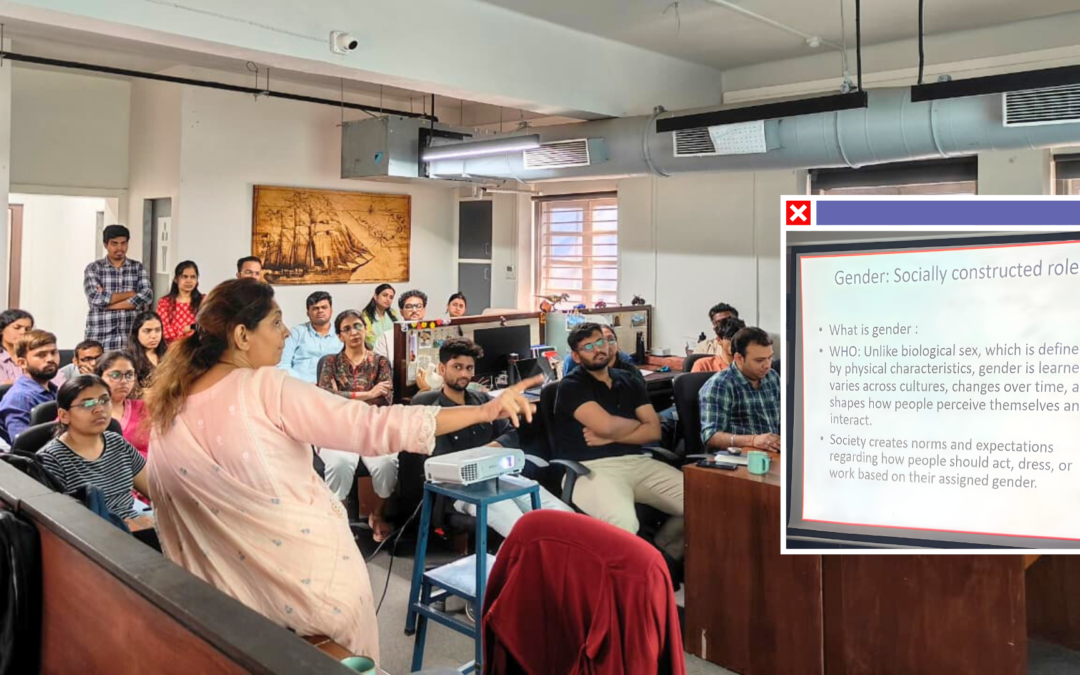
This week, we had the opportunity to engage in a deeply meaningful Gender Policy Awareness session led by Dr Monique Kamat. What could have been a routine training quickly transformed into a powerful space for dialogue, reflection, and growth.
Beyond Compliance: Creating Understanding
Too often, gender-related trainings are viewed as compliance-driven exercises; boxes to tick.
But this session reminded us of something critical: awareness cannot be mandated, it must be experienced.
Through open conversations, we explored:
- The evolving understanding of gender identity
- Recognising and addressing workplace harassment
- Identifying unconscious bias in everyday interactions
- Building inclusive behaviours that go beyond policy language
What stood out was not just the information shared, but the quality of engagement, curiosity, honesty, and a willingness to learn.
The Power of Safe Conversations
Real change happens when people feel safe to ask questions they may otherwise hesitate to voice.
This session created exactly that environment.
It encouraged:
- Listening without judgment
- Speaking without fear
- Reflecting without defensiveness
And in doing so, it moved us a step closer to becoming a more inclusive and empathetic organisation.
Inclusion is a Practice, Not an Event
A single session cannot transform culture, but it can spark momentum.
Building a respectful workplace requires continuous effort:
- Showing up consistently for conversations that matter
- Unlearning biases shaped over years
- Embedding empathy into leadership and decision-making
- Holding ourselves and each other accountable
Inclusion is not a one-time initiative, it is a daily commitment.
Gratitude and Moving Forward
A sincere thank you to Monique for guiding us through these important conversations with depth, sensitivity, and clarity. As we move forward, the real work begins and that is translating awareness into action. Because the true measure of any organisation is not just what it says in its policies, but how it makes people feel every day.